How to Dispose of a Car in NSW: Your Options Explained
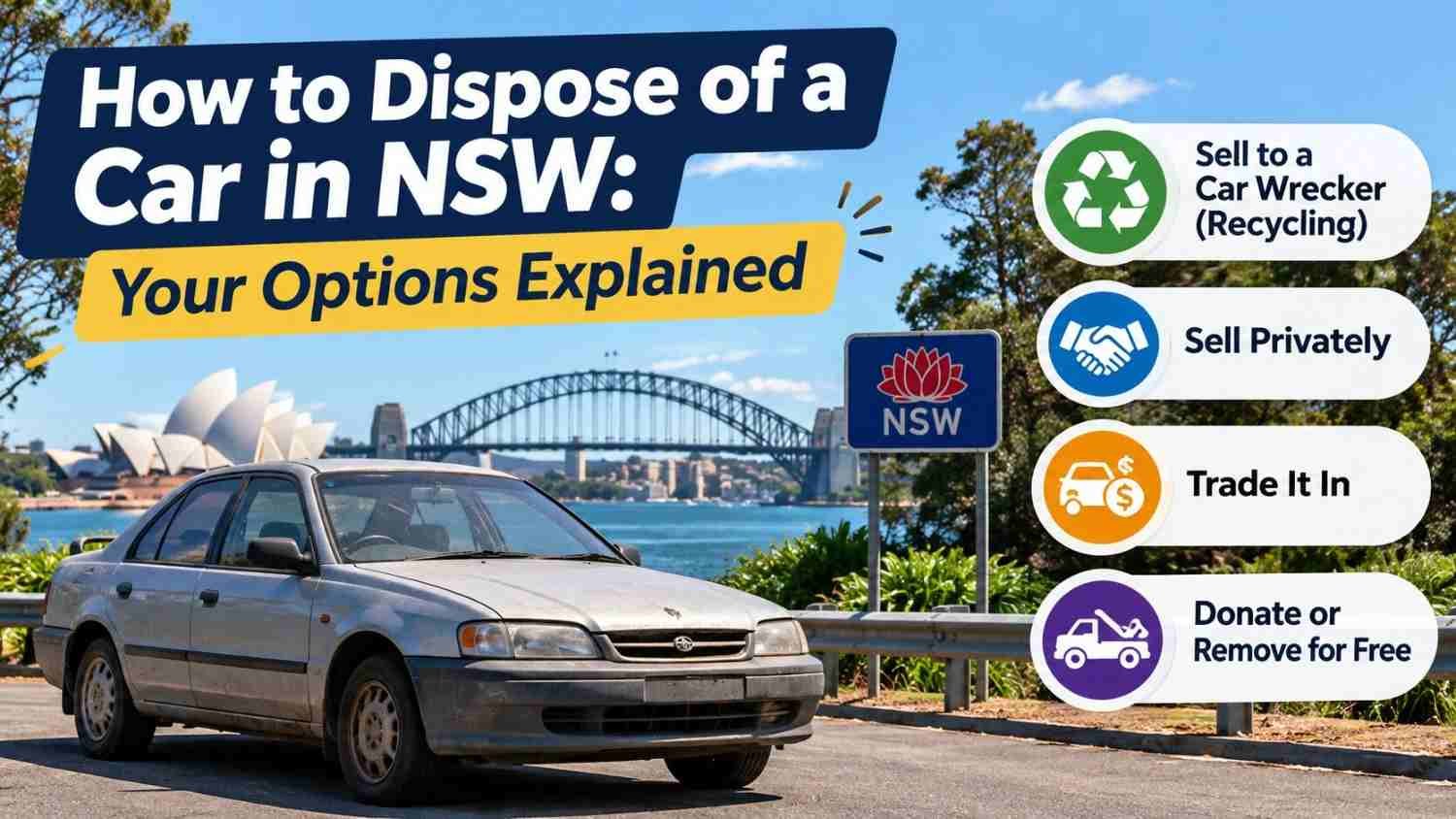
If you have an old, unwanted, damaged or unregistered vehicle in NSW, there are several ways to dispose of it. You can sell it privately, trade it in, send it to a vehicle recycler or arrange professional car removal. The right option depends on your car's condition, whether it can be driven and how much time you want to spend organising the process.
Before getting rid of your vehicle, it's worth understanding your disposal options, the paperwork involved and whether your car may still have resale or recycling value. Taking the right steps can help you avoid unnecessary costs and make the process easier.
When Is It Time to Dispose of Your Car?
Keeping an old vehicle isn't always worthwhile, particularly when repairs become expensive or it spends most of its time sitting in the driveway. While some cars are worth fixing, others may no longer be practical to maintain or keep registered.
You might consider disposing of your car if:
- Repairs are becoming too expensive compared with the vehicle's value.
- It no longer starts, runs reliably or is safe to drive.
- Registration, insurance and maintenance costs are adding up.
- It has been damaged in an accident and needs significant repairs.
- You have upgraded to another vehicle and no longer need the old one.
- It has been sitting unused for months and taking up valuable space.
Before making a decision, consider its condition, repair costs and potential resale value. Even a car that is no longer suitable for everyday driving may have reusable parts or materials worth recovering.
What Are Your Options for Disposing of a Car in NSW?
There isn't one disposal method that suits every vehicle. Your car's condition, age, resale potential and whether it's registered can all influence the best option.
Selling Your Car Privately
If your car is still in reasonable condition, selling it privately may be worth considering. You can advertise it online, set your asking price and negotiate directly with potential buyers.
A private sale may help you achieve a better price, particularly if the vehicle has a good service history, reasonable kilometres and no major mechanical issues. However, you'll need to organise enquiries, inspections, negotiations and the paperwork yourself.
Trading Your Car In at a Dealership
Trading in your old car can be convenient if you're buying another vehicle. The dealer assesses your car and offers a trade-in amount that can be deducted from your new purchase.
It saves you the trouble of finding a private buyer, but the offer may be lower than what you could get from a private sale. Comparing the trade-in amount with other offers can help you decide whether it's worthwhile.
Recycling Your Car
If your car is no longer roadworthy, has major mechanical problems or isn't worth repairing, recycling may be a more practical choice.
Vehicle recyclers and wreckers may recover usable components such as engines, gearboxes, wheels, panels and other parts. Materials that cannot be reused may be processed for recycling, depending on the facility.
Arranging Professional Car Removal
Professional car removal can be useful when you want to get rid of a vehicle without advertising it privately or organising transport yourself.
If you're exploring Car Disposal NSW options, compare what each provider offers, including accepted vehicle conditions, collection arrangements, towing costs, payment terms and paperwork. This is particularly worth considering if your car is no longer running or has been sitting unused for a long time.
How to Dispose of a Car in NSW Step by Step
Once you've decided to dispose of your vehicle, following a few practical steps can help make the process straightforward.
1. Check Your Vehicle's Condition and Documents
Start by checking whether the car is running, damaged, complete or missing important components. Gather any available registration documents, proof of ownership and service records.
This will help you decide whether the vehicle is suitable for a private sale, trade-in, recycling or removal.
2. Remove Personal Belongings
Before handing over your car, check the glovebox, boot, under the seats, centre console and door pockets.
Remove personal items, paperwork, toll tags, parking permits, garage remotes and any accessories you intend to keep. It's also a good idea to check whether you have any documents stored in the vehicle that contain personal information.
3. Understand Your Registration and Number Plate Requirements
If your car is NSW-registered, make sure you understand your responsibilities when selling or disposing of it.
Depending on the circumstances, you may need to lodge a Notice of Disposal, cancel the registration and return the number plates to a Service NSW Centre. Requirements differ depending on how the vehicle is disposed of, including whether it is sold with plates or handed to a wrecker without plates.
If you remove the number plates, check the current requirements for returning them. Don't assume that handing over the vehicle automatically cancels its registration.
4. Choose the Right Disposal Method
Compare your options based on the vehicle's condition, likely value and how much time you want to spend.
A roadworthy car may be suitable for a private sale or dealership trade-in, while a heavily damaged or non-running vehicle may be better suited to recycling or removal.
5. Arrange Collection or Transport
If your car can't be driven, you'll need to organise appropriate transport. Confirm the pickup location, access, timing and any towing charges before agreeing to collection.
Make sure you understand the arrangements before the vehicle leaves your property, particularly if you're expecting payment or handing over documents.
How to Dispose of a Damaged, Unregistered or Non-Running Car?
Not every vehicle can be sold as a normal used car. Some have been sitting in a driveway for years, others have engine problems, accident damage, expired registration or faults that make them unsafe to drive.
If the car won't start, has major mechanical faults or is no longer roadworthy, transporting it to a buyer or recycler can be difficult. In these situations, Damaged Car Removal may be worth considering, particularly when the vehicle needs to be collected rather than driven.
An unregistered vehicle also requires careful handling. Don't assume expired registration means you can drive it to a disposal yard. Check the applicable NSW requirements and arrange suitable transport if you cannot legally drive it.
Before accepting an offer, clarify whether the car will be collected by tow truck, what condition requirements apply, whether towing is included and what paperwork you'll need to complete.
Can You Get Money When Disposing of an Old Car?
Yes, some vehicles can still attract an offer even when they're old, damaged or no longer running. Their value may depend on the make and model, demand for second-hand parts, overall condition, scrap metal prices and whether important components are still present.
Different vehicles may have value for different reasons:
- Used cars: Value is often influenced by roadworthiness, kilometres, service history, age and market demand.
- Damaged cars: They may retain value through repair potential or reusable components.
- Scrap cars: Their value may depend on recoverable metals, parts and current market conditions.
If you're considering Car Removal For Cash, compare offers and ask how the price was determined. Confirm whether the quoted amount is final, whether towing is included and when payment will be made.
Avoid making a decision based solely on the highest advertised amount. A clear quote with straightforward collection arrangements may be more useful than an offer that changes after inspection.
Is Professional Car Removal a Convenient Option?
For people with a vehicle taking up space at home, arranging professional removal can save the hassle of advertising, waiting for buyers and organising transport.
It can be especially useful for cars that have been sitting idle, are no longer registered, have mechanical problems or cannot be driven safely.
Before choosing a provider, ask:
- Do you collect vehicles from my location?
- Is towing included in the quoted price?
- Do you accept cars that won't start?
- Is payment made at collection?
- What documents do I need to provide?
- Are there any additional fees or conditions?
Getting these details confirmed upfront helps you understand what to expect and avoid last-minute surprises.
What Happens to Your Car After Disposal?
Disposing of a vehicle doesn't necessarily mean every part goes straight to landfill. Depending on its condition and where it is processed, the car may go through dismantling, parts recovery and material recycling.
Components in usable condition may be removed for resale or reuse. Other materials, such as steel and aluminium, may be separated for recycling. Fluids, batteries and other items also need to be handled appropriately as part of the processing process.
Responsible vehicle recycling helps recover materials that can be used again and reduces the amount of waste generated from vehicles that have reached the end of their useful life.
Frequently Asked Questions About Car Disposal in NSW
Q: How do I dispose of a car in NSW?
You can sell it privately, trade it in, take it to a vehicle recycler or arrange professional car removal. Choose the option that suits your vehicle's condition, value and whether it can be driven.
Q: Can I dispose of a car without registration?
Yes, an unregistered vehicle can still be sold or disposed of. However, you need to consider transport requirements and any registration cancellation or number plate obligations that apply.
Q: Can I get money for an old or damaged car?
Possibly. The value depends on its condition, parts, make and model, demand and scrap material value. Some damaged or non-running vehicles may still attract offers.
Q: Do I need to remove my number plates before disposing of my car?
Not in every situation. Requirements depend on how the vehicle is being disposed of and whether registration is being transferred or cancelled. Check Service NSW for the correct process before handing over the vehicle.
Q: Can someone collect a car that is no longer running?
Many vehicle removal providers accept non-running cars, but availability depends on the vehicle and pickup location. Confirm collection arrangements and towing costs before booking.
Conclusion: Choosing the Right Way to Dispose of Your Car
Disposing of a car in NSW comes down to choosing the option that makes the most sense for its condition, value and your circumstances. A vehicle that still runs may be worth selling, while an older, damaged or unwanted car could be better suited to recycling or collection.
If you prefer not to deal with private buyers or organise transport yourself, Delta Car Removals is another option to consider when arranging the removal of your unwanted vehicle. Whichever route you choose, make sure the paperwork, number plates and registration requirements are taken care of before the disposal is complete.
admin
Explore expert articles from Delta Car Removals admin on scrap car removal, cash for cars Sydney, and tips to get top value for unwanted vehicles. See Full Bio ›
Related Articles & Guides
How to Scrap a Car Sydney: A Step-by-Step Guide
Learn how to scrap a car in Sydney, compare offers, prepare paperwork and understand NSW vehicle disposal requirements before arranging car removal.
How to Sell My Car NSW When It Is Old, Damaged or Unwanted
Learn how to sell your old, damaged or unwanted car in NSW. Compare selling options, understand paperwork and prepare for a smooth sale.
How to Sell a Damaged Car and Get a Fair Price
Learn how to sell a damaged car in Australia, understand its value, compare selling options and get a fair price without overspending on repairs.
Ready to Sell Your Vehicle?
Get an instant cash quote up to $6,000 with 100% free same-day towing anywhere in Sydney.