
How to Sell a Damaged Car and Get a Fair Price
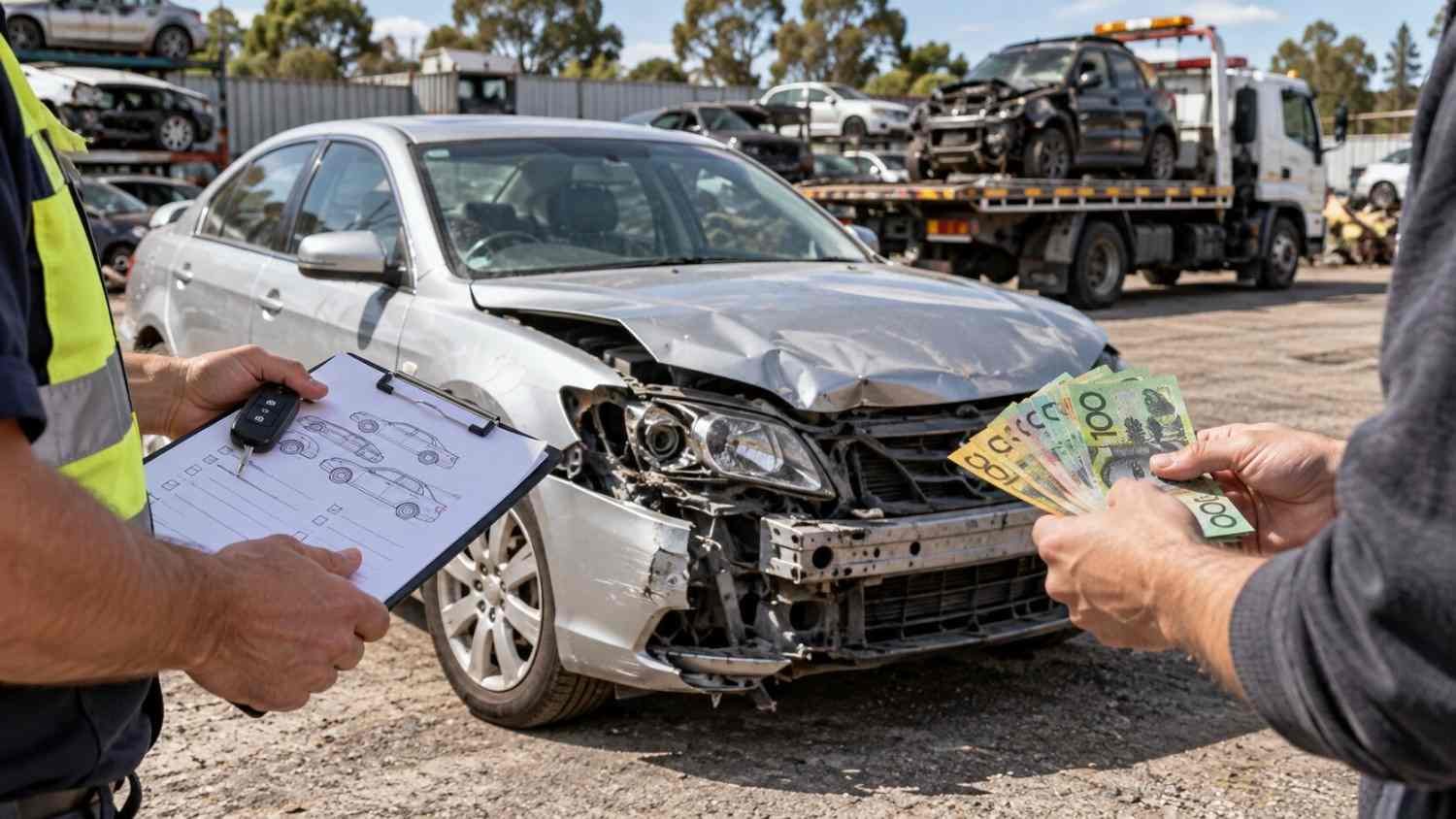
Selling a damaged car can leave you wondering whether it is worth repairing, trading in or simply selling as it is. If the vehicle has been involved in an accident, developed major mechanical problems or stopped running altogether, putting more money into it isn't always the best option.
The good news is that a damaged vehicle can still have value. The key is to understand what affects its price, be realistic about its condition and compare your selling options before accepting an offer.
Here's how to approach the process and work towards a fair price for your damaged car.
Can You Sell a Damaged Car?
Yes, you can sell a damaged car. The condition of the vehicle will determine which buyers may be interested and how much they are prepared to offer.
A damaged car can still have value through its resale potential, working components, spare parts or scrap materials. Even a vehicle that no longer runs may be of interest to buyers who specialise in damaged or unwanted vehicles.
Common examples include:
- Accident-damaged cars
- Vehicles with major mechanical faults
- Non-running cars
- Cars with significant body damage
- Older vehicles that need expensive repairs
- Vehicles that are no longer economical to maintain
Before deciding how to sell it, take a realistic look at the vehicle's condition and what it would cost to get it back on the road.
What Affects the Price of a Damaged Car?
There is no single price for a damaged vehicle. Buyers generally consider several factors before making an offer.
Make, Model and Age
The make and model can influence demand for the vehicle and its parts. Some cars have stronger demand for used components, while the value of an older or less common model may be more closely tied to its condition and salvageable parts.
Type and Severity of Damage
A vehicle with minor cosmetic damage is in a very different position from one with major structural or mechanical damage.
The extent of the damage can affect both its resale potential and the cost of repairs.
Mechanical Condition
The condition of the engine, transmission and other major components can also influence the offer. A damaged car with several working components may have more value than a vehicle requiring extensive mechanical work.
Kilometres and Overall Condition
The vehicle's kilometres, interior condition, tyres and general maintenance history can also be relevant when assessing its value.
Registration and Roadworthiness
Whether the vehicle is registered, unregistered or suitable to drive can affect how it can be sold and transported. If the car cannot be safely driven, you may need to arrange vehicle collection.
Repair Costs
Perhaps the most important question is whether repairing the car will actually increase its value enough to justify the expense.
For example, spending several thousand dollars on repairs does not automatically mean you will recover that amount when you sell the vehicle. Always consider the likely value of the car after repairs alongside the repair bill.
Should You Repair a Damaged Car Before Selling It?
Not necessarily.
Minor repairs, cleaning or basic maintenance may help make a vehicle more appealing. However, major repairs can become expensive quickly, particularly when the vehicle has significant accident or mechanical damage.
Before spending money on repairs, consider:
- The estimated repair cost
- The car's current market value
- Its likely value after repairs
- Whether there are other mechanical problems
- How long the repairs are likely to take
- Whether you could sell the vehicle in its current condition
If you're unsure, getting a repair estimate can help you compare the potential cost with the likely return.
The simple question to ask is: Will the money I spend repairing the car realistically add enough value to make it worthwhile?
How to Prepare Your Damaged Car for Sale
You don't need to completely repair a damaged car before putting it up for sale. However, preparing the vehicle properly can make the process smoother and help buyers assess it accurately.
Gather Your Vehicle Documents
Have the relevant ownership and registration information available. Service records and receipts for previous repairs can also be useful if you have them.
Document the Damage
Take clear photos of the exterior, interior and damaged areas. If there are known mechanical problems, make a note of them as well.
Being upfront about the condition helps set realistic expectations and can reduce unnecessary back-and-forth with potential buyers.
Remove Personal Belongings
Check the boot, glovebox, centre console and other storage areas before the vehicle is collected or handed over.
Be Honest About the Condition
Avoid describing the vehicle as being in better condition than it actually is. Clear information about the damage, registration status and whether the car runs can help you receive more realistic offers.
Where Can You Sell a Damaged Car?
There are several ways to sell a damaged vehicle, and the right choice depends on its condition and what you want from the sale.
Private Buyers
Selling privately may work when the vehicle is repairable and still has reasonable resale value.
However, it can take time to find a suitable buyer. You may also need to arrange inspections, negotiate the price and organise transport if the vehicle isn't roadworthy.
Dealerships and Trade-Ins
Some dealerships may accept damaged vehicles or offer a trade-in value, particularly if you're purchasing another vehicle.
The convenience can be useful, but it's still worth comparing the offer with other available options.
Wreckers and Recyclers
Wreckers may be interested in vehicles that contain useful parts, while recyclers can provide an option for cars that have reached the end of their usable life.
This can be worth considering when the cost of repairing the car is higher than its potential resale value.
Car Removal Services
For a damaged or unwanted vehicle that is difficult to sell privately, a car removal service may provide a simpler alternative.
If you're looking for Car Removal Sydney, compare the service carefully. Check the offer, collection arrangements and whether any additional costs apply before agreeing to the sale.
How to Get a Fair Price for a Damaged Car
Getting a fair price isn't simply about finding the biggest number offered. You also need to understand what is included in the deal and whether the offer reflects the actual condition of your vehicle.
Get Multiple Quotes
Don't rely on a single offer if you have the opportunity to compare several. Different buyers may value a damaged vehicle differently depending on what they can do with its parts, repairs or materials.
Multiple quotes can give you a more useful reference point.
Give Accurate Information
When requesting a quote, provide accurate details about the car, including:
- Make and model
- Year
- Kilometres
- Type of damage
- Mechanical condition
- Registration status
- Whether the vehicle starts and runs
The more accurate the information, the more useful the initial quote is likely to be.
Compare the Complete Offer
Look beyond the quoted amount.
Ask whether vehicle collection is included and whether there are any conditions that could affect the final amount. A clear offer with collection included may be more practical than a higher-looking quote that involves additional costs.
Consider the Cost of Keeping the Car
An unwanted damaged vehicle can continue to take up space and may become more difficult to sell if its condition deteriorates further.
Consider your storage, repair, maintenance and transport costs when deciding whether keeping the vehicle is worthwhile.
If you're comparing Damaged Car Removal options, make sure you understand the full service and final payment before making your decision.
When Is Scrap the Better Option for a Damaged Car?
Some damaged vehicles are simply not economical to repair.
If the estimated repair cost is high compared with the vehicle's value, selling it for its remaining parts or scrap value may be a more practical option.
This can apply to vehicles that are:
- Severely accident damaged
- Very old and in poor condition
- Non-running
- Missing major components
- Suffering from serious mechanical problems
- No longer economical to repair
A vehicle doesn't necessarily need to be completely worthless to be considered for scrap. Usable parts, metal and other recoverable materials can still contribute to its value.
For vehicles that have little practical resale value, Scrap Damaged Car Removal can be one option to consider.
Common Mistakes to Avoid When Selling a Damaged Car
Spending Too Much on Repairs
Don't assume that every repair will increase the amount you receive. Compare the repair cost with the vehicle's likely value afterwards.
Hiding Major Damage
Trying to conceal serious problems can create disputes and waste time. Being transparent gives buyers a clearer picture of what they're considering.
Accepting the First Offer
The first offer isn't necessarily a useful benchmark. Comparing quotes can help you understand the range of offers available for your vehicle.
Forgetting About Transport
If the car doesn't run or isn't safe to drive, find out how it will be collected. Check whether towing or transport is included in the offer.
Leaving Personal Items Behind
Before handing over the vehicle, check it carefully for documents, tools, valuables and other belongings.
What to Check Before Finalising the Sale
Once you've decided to accept an offer, take a few minutes to confirm the details.
Make sure you:
- Confirm the final agreed price.
- Clarify when and how payment will be made.
- Confirm the vehicle collection arrangements.
- Ask whether any fees or deductions apply.
- Prepare the required paperwork.
- Remove your personal belongings.
- Keep a record of the transaction.
For registration and transfer requirements, follow the relevant rules for your Australian state or territory.
Frequently Asked Questions About Selling a Damaged Car
Q: Can I sell a badly damaged car?
Yes. A badly damaged car can still have value through its usable components, parts or scrap materials. The amount you can receive will depend on the vehicle's condition and other factors.
Q: Is it worth repairing a damaged car before selling it?
Not always. If repairs are expensive, compare the repair cost with the vehicle's expected value after repairs. Selling the car in its current condition may sometimes make more financial sense.
Q: How is a damaged car valued?
The make, model, age, kilometres, damage, mechanical condition, registration status and potential parts or salvage value can all affect the price.
Q: Can I sell a non-running car?
Yes. Non-running cars can still be sold to certain buyers, including wreckers, recyclers and car removal services. The condition of the vehicle and the cost of collection can affect the offer.
Q: Can I sell an accident-damaged car?
Yes. Accident-damaged vehicles can be sold, although the severity and type of damage will affect their value and which buyers are interested.
Q: Where can I sell a damaged car?
You can consider private buyers, dealerships, wreckers, recyclers and car removal services. Compare the options based on the vehicle's condition, expected price and convenience.
Final Thoughts
Selling a damaged car doesn't have to mean spending a large amount on repairs or accepting the first offer you receive. Start by assessing the vehicle honestly, understand what affects its value and compare the available ways to sell it.
If you're considering a local option for an unwanted or damaged vehicle, Delta Car Removals is one service you can include when comparing your options. Before finalising any sale, make sure you understand the agreed price, collection arrangements and any other conditions involved.
The right decision ultimately depends on the condition of your car, the cost of repairing it and what you can realistically receive for it in its current state.
admin
Explore expert articles from Delta Car Removals admin on scrap car removal, cash for cars Sydney, and tips to get top value for unwanted vehicles. See Full Bio ›
Related Articles & Guides
How Much to Scrap a Car? Factors That Affect Its Value
How much to scrap a car? Learn what affects scrap car value, including condition, weight, parts, make, model and current recycling market conditions.
The Cost of Keeping an Unused Car: Hidden Expenses to Consider
Learn the hidden costs of keeping an unused car, including insurance, registration, maintenance, depreciation and storage, before deciding what to do.
How Much Damage Does It Take to Write Off a Car in Australia?
Learn how much damage to write off a car in Australia, how insurers assess damage and what to do with a written-off vehicle.
Ready to Sell Your Vehicle?
Get an instant cash quote up to $6,000 with 100% free same-day towing anywhere in Sydney.