How to Sell My Car NSW When It Is Old, Damaged or Unwanted
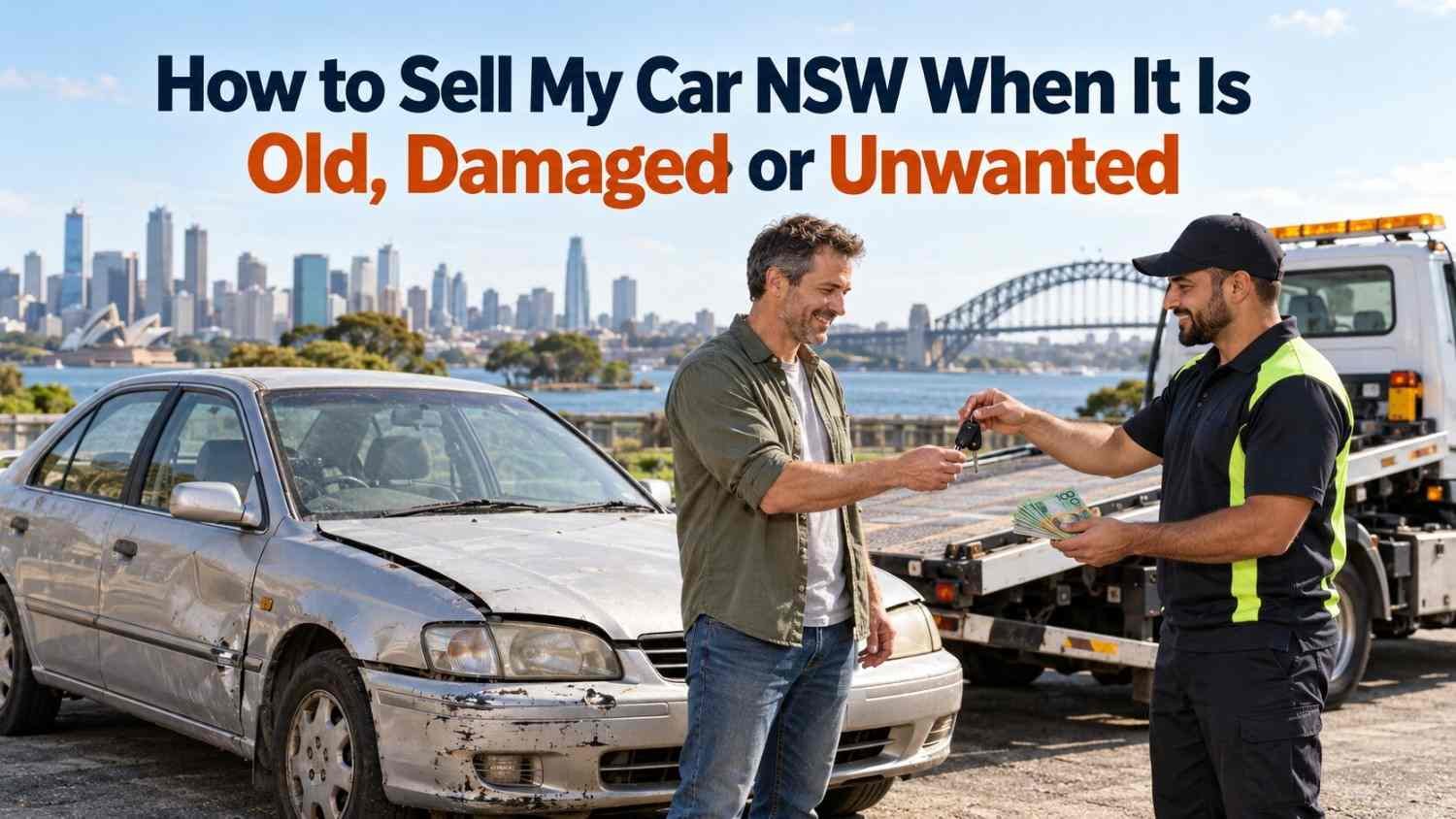
If you are wondering how to sell an old, damaged or unwanted car in NSW, start by comparing your selling options, assessing the vehicle’s condition and checking the paperwork required. You can sell privately, trade your vehicle in at a dealership or approach a specialist car buyer, depending on the car and your circumstances.
Even if your car no longer runs, has accident damage or has been sitting unused for years, it may still have value. The right approach depends on the vehicle’s condition, its registration status and the time and effort you want to spend on the sale.
This guide explains how to sell your car in NSW, what affects its value and what to consider before handing it over.
What Are Your Options for Selling an Old, Damaged or Unwanted Car in NSW?
The best way to sell your car depends on its condition, potential value and how much time you want to spend organising the sale.
Selling Your Car Privately
A private sale may suit a vehicle in reasonable condition if you are comfortable advertising it and dealing with potential buyers.
Research similar vehicles to establish a realistic asking price. Take clear photos, describe the car accurately and disclose any known mechanical issues or damage.
Private sales can take time, as you may need to arrange inspections, answer questions and negotiate before reaching an agreement.
Trading Your Car In at a Dealership
If you are purchasing another vehicle, a dealership may offer a trade-in arrangement. This can simplify the process by allowing you to discuss your existing car and replacement vehicle together.
Before accepting an offer, compare the overall deal. A higher trade-in figure does not necessarily mean you are getting the best value if the replacement vehicle costs more.
Considering a Specialist Car Buyer
Specialist car buyers may accept older, damaged, unwanted or non-running vehicles, depending on their services and eligibility requirements.
This option may be worth considering if repairing the car is not economical or you would prefer not to organise a private sale.
If you are exploring a Sell My Car For Cash service, compare the offer, payment arrangements, collection costs and paperwork requirements before committing. Confirm that the buyer accepts your vehicle in its current condition.
| Selling option | May suit | What to consider |
|---|---|---|
| Private sale | Cars in reasonable condition | Advertising, inspections, negotiations and paperwork |
| Dealership trade-in | Owners buying another vehicle | Compare the trade-in offer with the overall purchase deal |
| Specialist car buyer | Older, damaged or non-running cars | Eligibility, final offer and collection arrangements |
How to Sell My Car NSW: A Step-by-Step Guide
Following a few practical steps can make selling your car more straightforward.
Step 1: Assess Your Car’s Condition
Consider the vehicle’s age, kilometres travelled, service history and overall condition. Look for issues such as engine problems, transmission faults, accident damage, rust or electrical faults.
Be realistic about the work the vehicle may need. If it is unsafe to drive, arrange suitable transport rather than driving it to an inspection.
Step 2: Decide Whether Repairs Are Worthwhile
Before spending money on repairs, compare the estimated cost with the potential increase in selling price.
For example, an older vehicle might need new tyres, a replacement battery and major mechanical work. Although repairs may make it more attractive to some buyers, the expense could outweigh the additional amount you receive.
Consider obtaining a repair estimate and comparing it with offers for the vehicle in its current condition.
Step 3: Research Your Car’s Value
Look at comparable vehicles with similar makes, models, ages and kilometres. Account for differences in registration status, mechanical condition and accident history.
Remember that advertised prices are asking prices, not necessarily the amounts buyers ultimately pay.
A damaged or non-running car may be valued differently from a roadworthy vehicle of the same model. Reusable parts, overall condition and collection requirements can also affect an offer.
Compare multiple offers where possible and check what each includes.
Step 4: Prepare Your Documents
Gather the information needed to establish ownership and complete the transaction. Depending on your circumstances, this may include:
- Photo identification.
- Vehicle registration details, if applicable.
- Vehicle identification number (VIN) and registration plate details.
- Service records and repair receipts, if available.
- Information about outstanding finance, if applicable.
- A receipt or written record of the sale.
Requirements vary by transaction. Refer to the official Service NSW guide to selling a vehicle for the current requirements.
Step 5: Compare Offers and Confirm the Terms
Before accepting an offer, confirm:
- The final amount you will receive.
- Whether collection is included or charged separately.
- Whether the offer depends on an inspection.
- How and when payment will be made.
- What paperwork is required.
- Whether the buyer accepts the vehicle in its current condition.
Provide accurate information about known faults and damage. If the offer may change after an inspection, ask what circumstances could affect the final amount.
Step 6: Arrange the Handover
Once you accept an offer, agree on the collection or handover arrangements.
Remove personal belongings, toll tags and parking permits. Check the boot, glovebox and storage compartments, and remove personal information from connected vehicle systems where possible.
Keep a copy of the sale receipt and confirm that payment has been received before releasing the vehicle.
Step 7: Complete the NSW Paperwork
Selling the vehicle is not the final step. Depending on its registration status and the type of sale, you may need to lodge a Notice of Disposal, cancel registration or address number-plate requirements.
The process can differ when a vehicle is written off or sold to a wrecker. Check the current Service NSW Notice of Disposal guidance and follow the requirements that apply to your transaction.
Can You Sell an Old Car That No Longer Runs?
Yes, a car that no longer starts or drives may still have value, depending on its condition, parts and the buyer’s requirements.
Cars With Engine or Gearbox Problems
Major engine or transmission faults can make repairs expensive compared with the vehicle’s value.
Some private buyers may still consider the car, while specialist buyers may assess it for reusable parts or scrap value. Explain the known mechanical problems clearly and compare suitable offers before deciding what to do.
Cars That Have Been Sitting Unused
A car that has been parked for months or years may have a flat battery, deteriorated tyres, rust or other problems caused by being left unused.
Before attempting to start it, consider whether it is safe to do so. If substantial work is required before it can be driven, compare the repair costs with offers for the vehicle in its current condition.
How to Sell a Damaged or Written-Off Car in NSW
A damaged car may still be sellable, but the extent of the damage and its formal written-off status are important.
Selling an Accident-Damaged Car
Damage can range from minor scratches and dents to major structural or mechanical problems. Buyers will consider the cost of repairs, parts availability and the vehicle’s overall condition.
Describe the damage honestly and keep any relevant insurance assessments or repair records available.
What If Your Car Has Been Written Off?
A vehicle formally recorded as written off is subject to specific NSW rules. According to the NSW Government, written-off light vehicles are generally restricted to sale for parts or scrap metal, with limited exceptions for re-registration.
Do not assume that a written-off vehicle can simply be repaired and returned to normal road use. Check its status and the current NSW Government guidance on written-off light vehicles before proceeding.
Can You Sell an Unregistered Car in NSW?
An unregistered car may still be sold, but you need to consider how it will be transported and what registration or number-plate requirements apply.
Before arranging a sale:
- Tell the buyer that the vehicle is unregistered.
- Confirm how the car will be collected or transported.
- Check whether registration cancellation and number-plate return requirements apply.
- Keep a record of the transaction.
- Confirm any restrictions that apply to the vehicle’s condition or written-off status.
What Affects the Value of an Old or Damaged Car?
There is no single price for every unwanted vehicle. Several factors can influence the amount a buyer offers.
- Make, model and age: Some vehicles remain in demand because of their model, condition or parts availability.
- Kilometres travelled: Higher kilometres can affect buyer interest, although service history and overall condition matter too.
- Mechanical condition: Engine, transmission, suspension and electrical faults can increase repair costs.
- Accident damage: The severity of the damage can influence whether the vehicle is suitable for repair, parts recovery or scrap.
- Reusable parts and materials: Some components may retain value even when repairing the whole vehicle is not practical.
- Registration and collection requirements: Registration status, vehicle accessibility and transport arrangements can affect the available options.
To compare offers fairly, provide each buyer with the same accurate vehicle details and confirm whether collection or other costs are included.
How Can You Avoid Problems When Selling Your Car?
A few sensible precautions can help you avoid misunderstandings during the sale.
- Describe the vehicle honestly. Disclose known faults, damage and missing parts.
- Compare offers carefully. Consider the final amount and conditions, not just the advertised price.
- Confirm payment arrangements. Verify payment before handing over the vehicle.
- Keep written records. Record the vehicle details, sale date, agreed amount and buyer information.
- Check the paperwork. Follow the NSW requirements that apply to the transaction.
- Protect your personal information. Remove belongings, toll tags and stored personal data before handover.
If a buyer changes the offer after inspecting the vehicle, ask for an explanation and decide whether the revised terms are acceptable before proceeding.
Frequently Asked Questions
Q: What is the easiest way to sell my car in NSW?
The easiest option depends on the vehicle and your priorities. A private sale may suit a car in reasonable condition, while a specialist buyer may be worth considering for an old, damaged or non-running vehicle. Compare the offers, paperwork and collection arrangements before choosing.
Q: Can I sell my car in NSW without repairing it?
You may be able to sell your vehicle in its current condition. Disclose known faults and compare offers with the estimated cost of repairs. Specific restrictions apply to formally written-off vehicles.
Q: Can I sell a car that does not start?
Yes, a non-running car may be suitable for a specialist buyer, parts recovery or scrap, depending on its condition. Explain the known problems and confirm how it will be transported.
Q: Can I sell an unregistered car in NSW?
An unregistered car may be sold, but transport, number-plate and registration requirements need to be considered. Check the current NSW rules before completing the transaction.
Q: Do I need a pink slip to sell my car in NSW?
A pink slip is a vehicle safety inspection report used in certain registration-renewal circumstances. Whether it is required or relevant depends on the vehicle and transaction. Check the current Service NSW requirements rather than assuming every sale needs one.
Q: What paperwork do I need when selling my car?
You may need identification, vehicle details, relevant registration documents and a sale receipt. For a NSW-registered vehicle, check whether you need to lodge a Notice of Disposal and keep a record of the sale.
Q: Should I sell my old car privately or to a specialist buyer?
A private sale may suit a vehicle in reasonable condition if you are comfortable managing enquiries and inspections. A specialist buyer may be worth considering if the car has significant faults or you want to compare collection options. The right choice depends on the offer, time involved and conditions.
Final Thoughts
Selling an old, damaged or unwanted car in NSW starts with understanding its condition, comparing suitable offers and completing the relevant paperwork. You do not necessarily need to repair the vehicle before selling it, but you should be realistic about its value and disclose known problems.
If you are exploring vehicle removal, Delta Car Removals is another option to consider. Review the services available for your vehicle, confirm the offer and collection arrangements, and check the relevant NSW requirements before completing the sale.
Taking these steps can help you choose a selling method that suits your circumstances and move on from a vehicle you no longer need.
admin
Explore expert articles from Delta Car Removals admin on scrap car removal, cash for cars Sydney, and tips to get top value for unwanted vehicles. See Full Bio ›
Related Articles & Guides
How to Sell a Damaged Car and Get a Fair Price
Learn how to sell a damaged car in Australia, understand its value, compare selling options and get a fair price without overspending on repairs.
How Much to Scrap a Car? Factors That Affect Its Value
How much to scrap a car? Learn what affects scrap car value, including condition, weight, parts, make, model and current recycling market conditions.
The Cost of Keeping an Unused Car: Hidden Expenses to Consider
Learn the hidden costs of keeping an unused car, including insurance, registration, maintenance, depreciation and storage, before deciding what to do.
Ready to Sell Your Vehicle?
Get an instant cash quote up to $6,000 with 100% free same-day towing anywhere in Sydney.