
How Much Damage Does It Take to Write Off a Car in Australia?
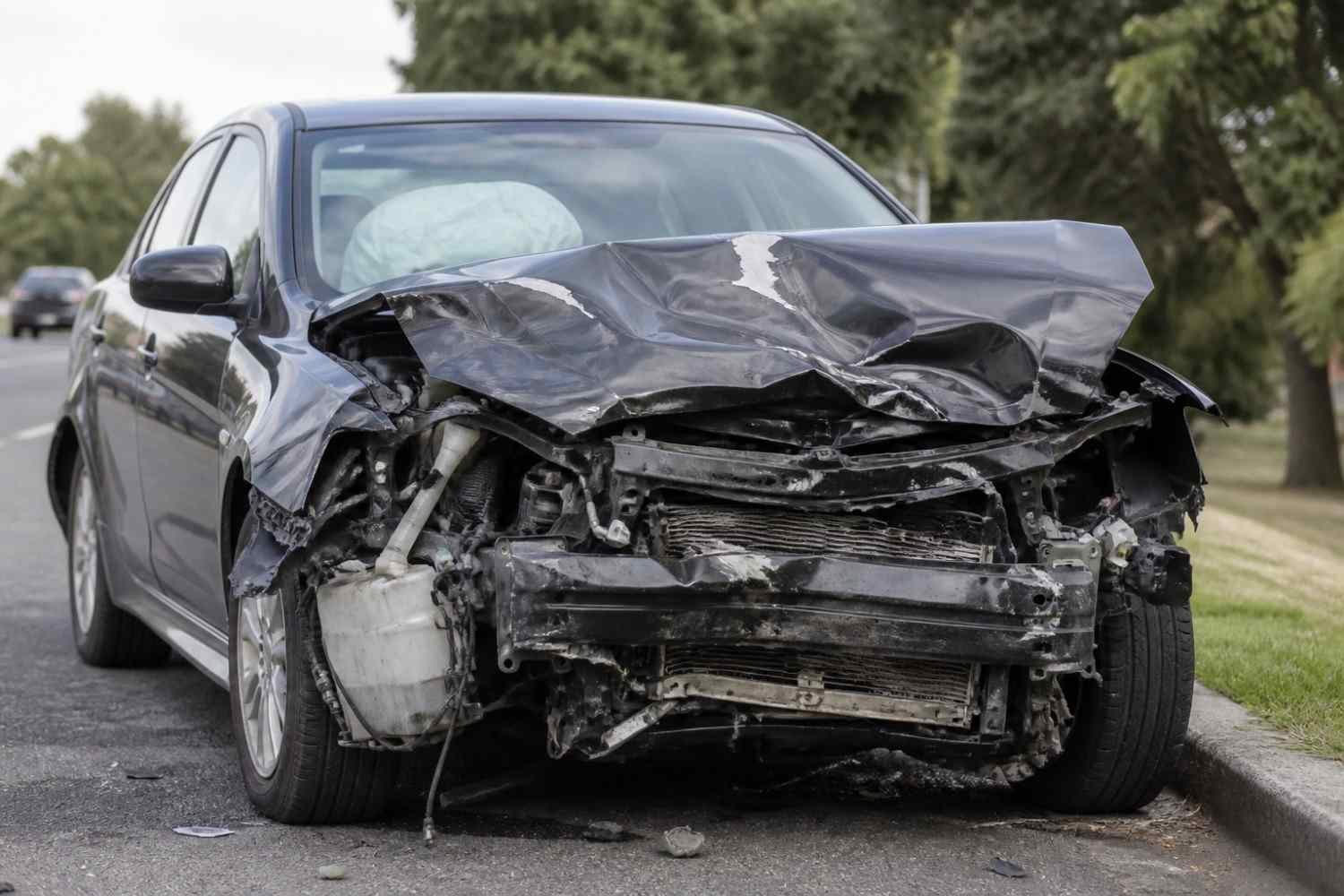
After a car accident, one of the first questions owners ask is whether their vehicle can be repaired or will be declared a write-off. The answer depends on several factors, including the cost of repairs, the car's value before the accident and the severity of the damage.
So, how much damage does it take to write off a car in Australia? There is no single dollar amount that automatically makes every car a write-off. An insurer may decide that repairs are uneconomical, while certain types of damage can result in a statutory write-off under applicable rules.
Understanding the difference can help you make informed decisions about insurance, repairs and selling your damaged vehicle.
1. What Does It Mean When a Car Is Written Off?
A car is commonly described as a write-off when it has been assessed as a total loss following an accident or another damaging event, such as a flood or fire.
This can happen for two main reasons: repairing the vehicle may not be financially worthwhile, or the damage may meet specific criteria that make the vehicle unsuitable for repair for normal road use.
For example, an older car with extensive mechanical damage might cost more to repair than it is worth. A vehicle with serious structural damage may also be classified as a write-off because of safety concerns.
However, a damaged car is not automatically a write-off simply because it looks badly damaged. The assessment, vehicle condition and applicable requirements determine the outcome.
2. How Much Damage to Write Off a Car in Australia?
There is no universal repair-cost threshold that applies to every vehicle across Australia. The decision depends on the circumstances and the type of write-off being considered.
When assessing whether a vehicle is an uneconomical total loss, an insurer may consider:
- The vehicle's market or insured value before the incident.
- The estimated cost of repairs, including parts and labour.
- The extent of mechanical, structural and cosmetic damage.
- The vehicle's salvage value and relevant assessment criteria.
- The terms of the insurance policy.
Consider an older car with a low market value that needs extensive engine repairs and bodywork. Repairing it may not make financial sense when compared with its pre-accident value.
A newer car might justify more expensive repairs because of its higher value. However, serious damage can still result in a write-off, particularly when statutory criteria apply.
These are illustrative examples, not fixed rules. A vehicle's value alone does not determine whether it can legally be repaired and returned to the road.
3. How Do Insurance Companies Decide Whether a Car Is a Write-Off?
When an insured vehicle is damaged, the insurer may arrange an assessment to establish the extent of the damage and the likely cost of repairs.
The assessor may inspect the bodywork, chassis, mechanical components, electrical systems and safety features. Repair estimates and the vehicle's pre-accident value can then help determine whether repairing it is economically viable.
If the insurer declares the vehicle a total loss, the settlement will depend on the policy terms, including whether the vehicle is covered for market value or an agreed value and whether an excess applies.
It is important to understand that an insurance total-loss decision and a statutory write-off classification are not exactly the same thing. A vehicle may be an economic total loss without necessarily meeting the criteria for a statutory write-off.
If you disagree with the insurer's assessment, ask for an explanation of the decision and review the relevant terms of your policy.
4. What Types of Damage Can Lead to a Car Being Written Off?
Different types of damage can affect a vehicle's repair costs, safety and eligibility to return to the road.
Structural and Chassis Damage
Damage to structural rails, pillars, the chassis or other key components can compromise a vehicle's crash protection.
Depending on the severity and applicable criteria, structural damage may lead to a statutory write-off. A qualified assessment is important because visible damage does not always reveal the full extent of the problem.
Airbag Deployment
When airbags deploy, the vehicle may need replacement airbags, sensors, seatbelt components and additional safety-system repairs.
These costs can make repairs uneconomical, particularly for an older vehicle. However, airbag deployment alone does not automatically mean the car must be written off.
Engine and Mechanical Damage
A damaged engine, gearbox or other major mechanical component can be expensive to replace or repair.
If the total repair estimate is high compared with the vehicle's value, the insurer may consider the car an uneconomical total loss. The decision depends on the full assessment rather than the mechanical fault alone.
Flood and Water Damage
Floodwater can affect electrical systems, wiring, engine components, interiors and safety equipment. Even if a vehicle starts after being exposed to water, hidden damage may develop later.
Certain types of water damage can meet statutory write-off criteria. A proper assessment is important before considering repairs or continued use.
Fire Damage
Fire can affect wiring, bodywork, mechanical components and structural areas. The extent of the damage and applicable write-off criteria determine whether the vehicle can be repaired or must be treated as a statutory write-off.
5. What Is the Difference Between Statutory and Repairable Write-Offs?
In Australia, written-off vehicles are generally classified as either statutory write-offs or repairable write-offs. The distinction is important because it affects what can happen to the vehicle afterwards.
Statutory Write-Off
A statutory write-off has sustained damage that meets the applicable criteria for a vehicle that is unsuitable for repair for normal road use.
It generally cannot be re-registered for ordinary road use, although the vehicle may still have value for parts or recycling where permitted.
Repairable Write-Off
A repairable write-off has been assessed as a total loss but does not meet the criteria for a statutory write-off.
Depending on the applicable state or territory rules, it may be possible to repair the vehicle, complete the required inspections and apply for re-registration.
Before buying, repairing or selling a written-off vehicle, check its recorded status through the Australian Government's Personal Property Securities Register (PPSR) and confirm the relevant requirements with your local road transport authority.
| Feature | Statutory write-off | Repairable write-off |
|---|---|---|
| Damage classification | Meets specified statutory damage criteria | Does not meet statutory write-off criteria but has been assessed as a write-off |
| Return to road use | Generally cannot be re-registered for normal road use | May be eligible after required repairs, inspections and approvals |
| Potential use | Parts or recycling, subject to applicable rules | Repair and potential re-registration, subject to eligibility |
| What to check | Classification and applicable restrictions | Repair requirements and local registration rules |
6. Is It Worth Repairing a Written-Off Car?
Whether repairing a damaged car is worthwhile depends on the repair estimate, the vehicle's condition and its likely value after repairs.
Before committing to the work, consider these questions:
- How much will the repairs cost, including parts and labour?
- What was the car worth before the accident?
- Will additional damage be discovered during repairs?
- Can the vehicle legally return to the road after the required work?
- Will the repaired vehicle be worth enough to justify the expense?
For example, spending several thousand dollars repairing an older car may not be sensible if its value remains low afterwards. On the other hand, some vehicles with repairable damage may still be worth restoring.
Obtain a detailed repair estimate and confirm the vehicle's write-off status before spending money. A low repair quote is not enough if the vehicle is ineligible for normal road use.
What Should You Do If Your Car Is Declared a Write-Off?
Finding out that your car has been written off can be frustrating. Before deciding what to do next, work through these practical steps.
- Step 1: Review the assessment. Ask the insurer or assessor to explain the damage, estimated repair costs and reasons for the decision.
- Step 2: Understand your insurance settlement. Check how your payout is calculated, whether an excess applies and what your policy says about the damaged vehicle.
- Step 3: Confirm the write-off category. Find out whether the vehicle is recorded as a statutory or repairable write-off.
- Step 4: Check local requirements. Registration, inspections and eligibility rules can vary between states and territories.
- Step 5: Compare your options. Depending on the vehicle's classification, you may be able to retain it, sell it for parts or arrange for removal and recycling.
Do not assume a written-off vehicle can be driven or re-registered. Confirm its legal status before making arrangements.
What Are Your Options for Selling a Written-Off Car?
If repairing the vehicle is not practical, selling it may be an alternative. The options available depend on the vehicle's condition, write-off category, ownership arrangements and applicable rules.
Sell a Repairable Write-Off
Some buyers are interested in repairable write-offs because they may be suitable for restoration. However, the damage history, repair requirements and registration status can affect buyer interest and the amount offered.
Provide accurate information and confirm any restrictions before agreeing to a sale.
Sell the Vehicle for Parts or Recycling
Even when a car is no longer suitable for road use, some components may be reusable and some materials may be recyclable.
Its value will depend on the make and model, condition of the remaining components, demand for parts and the amount of recoverable material. A severely damaged vehicle may have limited resale value as a complete car but still have value for parts or recycling.
Consider Damaged Car Removal
If your vehicle is badly damaged, non-running or unsuitable for further road use, a Damaged Car Removal service may be worth considering.
Before accepting an offer, explain the vehicle's condition accurately and ask what the service includes. Confirm whether collection is included, what paperwork is required and whether any additional charges apply.
Compare available offers rather than assuming every damaged car will attract the same price. The vehicle's condition and legal status can significantly affect your options.
What Paperwork Is Needed When Selling a Written-Off Car?
The paperwork required depends on your state or territory, the vehicle's status and your circumstances.
Before completing a sale or arranging disposal, check the following:
- Proof of ownership: Make sure you can establish ownership and provide the documents required for the transaction.
- Registration and number plates: Confirm whether registration has been cancelled and whether plates must be returned or handled in a particular way.
- Insurance: Understand what happens to your policy once the claim is settled or the vehicle is sold.
- Written-off vehicle records: Check the vehicle's classification and disclose relevant information to prospective buyers.
- Sale documentation: Keep copies of the transfer or sale records and any relevant correspondence.
If an insurer is retaining the vehicle as part of a total-loss settlement, confirm your rights and responsibilities before arranging a separate sale.
Because requirements vary across Australia, consult your local road transport authority before finalising the transaction.
Frequently Asked Questions
Q: Is there a fixed damage amount that makes a car a write-off in Australia?
No. There is no single dollar amount that automatically writes off every car in Australia. An insurer may consider repair costs, vehicle value and other relevant factors when assessing an economic total loss. Statutory write-offs are classified according to specific damage criteria.
Q: Can a car be written off even if the damage looks minor?
Yes. Hidden structural, electrical or mechanical damage may be more serious than it appears. A vehicle may also be uneconomical to repair because of its age, value or the cost of replacement parts.
Q: Can I sell a written-off car in Australia?
In many cases, yes, but the options depend on the vehicle's classification and applicable rules. Statutory write-offs are generally restricted from returning to normal road use, although parts or recycling options may be available. Check the vehicle's status before selling it.
Q: Can a repairable write-off be registered again?
Potentially. A repairable write-off may be eligible for re-registration after the required repairs, inspections and approvals. Requirements differ between jurisdictions, so check with the relevant road transport authority first.
Q: What happens to a statutory write-off?
A statutory write-off generally cannot be returned to normal road use. Depending on the applicable rules, it may be used for parts or recycling rather than being repaired for re-registration.
Q: Does insurance always pay the full value of a written-off car?
No. The settlement depends on your policy, whether the vehicle is insured for market or agreed value, any applicable excess and other policy conditions. Review your policy and ask your insurer to explain the calculation.
Final Thoughts
The amount of damage needed to write off a car in Australia depends on the vehicle's condition, repair costs and the type of damage involved. Structural issues, fire or flood damage and uneconomical repairs can all affect the outcome, but there is no single dollar threshold that applies to every vehicle.
If your car has been declared a write-off, confirm its classification, understand your insurance position and compare your options before deciding what to do next. If you are considering selling or disposing of a damaged vehicle, Delta Car Removals is another option to explore. Compare available offers and confirm collection arrangements, paperwork requirements and any applicable costs before proceeding.
admin
Explore expert articles from Delta Car Removals admin on scrap car removal, cash for cars Sydney, and tips to get top value for unwanted vehicles. See Full Bio ›
Related Articles & Guides
How to Sell My Car NSW When It Is Old, Damaged or Unwanted
Learn how to sell your old, damaged or unwanted car in NSW. Compare selling options, understand paperwork and prepare for a smooth sale.
How to Sell a Damaged Car and Get a Fair Price
Learn how to sell a damaged car in Australia, understand its value, compare selling options and get a fair price without overspending on repairs.
How Much to Scrap a Car? Factors That Affect Its Value
How much to scrap a car? Learn what affects scrap car value, including condition, weight, parts, make, model and current recycling market conditions.
Ready to Sell Your Vehicle?
Get an instant cash quote up to $6,000 with 100% free same-day towing anywhere in Sydney.