
The Cost of Keeping an Unused Car: Hidden Expenses to Consider
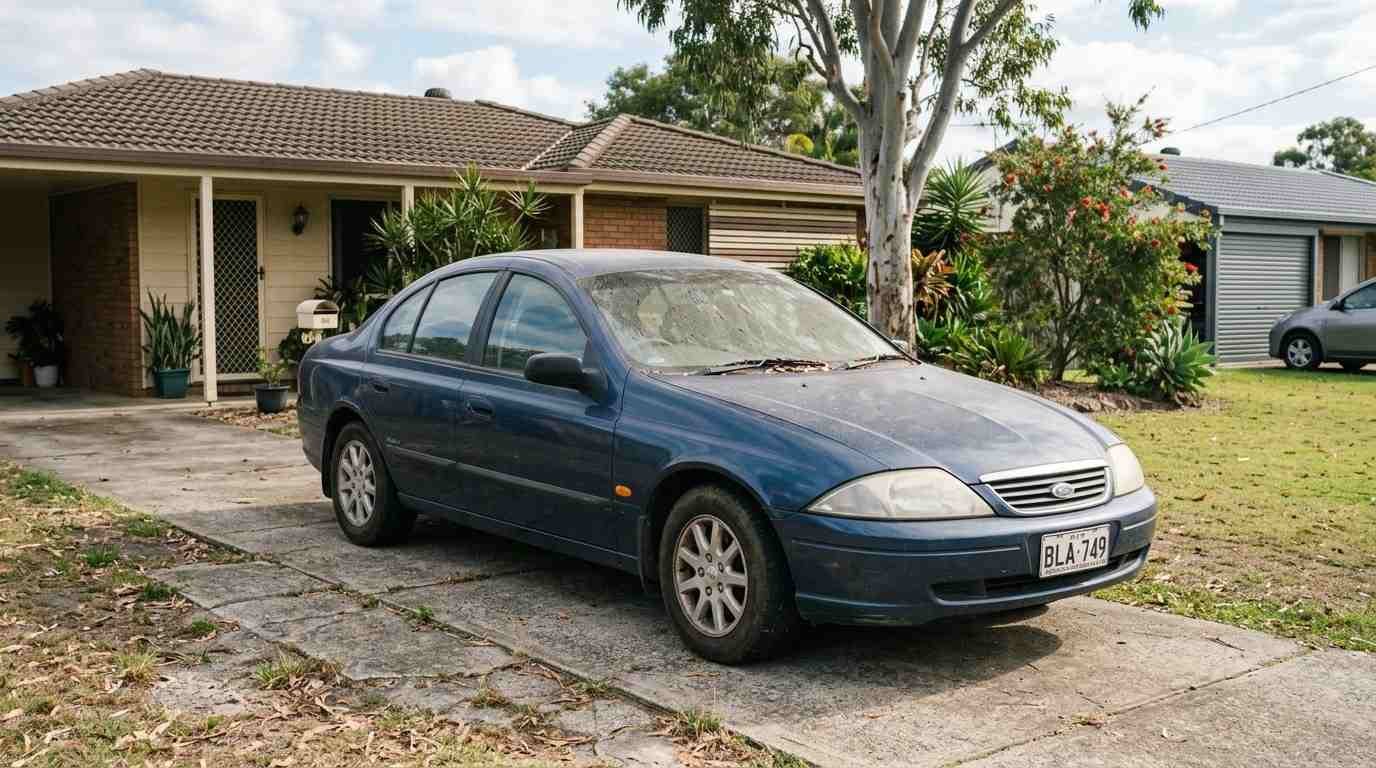
You might barely drive your second car, yet the costs of owning it continue to add up.
When a vehicle spends most of its time parked, it is easy to assume that it costs very little to keep. After all, you are using less fuel, putting fewer kilometres on the odometer and avoiding some of the wear associated with regular driving.
But fuel is only one part of car ownership.
Insurance, registration, servicing, depreciation, parking and age-related maintenance can continue to cost money even when a vehicle is rarely used. Some expenses are obvious, while others only become apparent when a car that has been sitting unused suddenly needs attention.
If you have a vehicle that spends more time parked than on the road, understanding the cost of keeping an unused car can help you decide whether it still makes sense to keep it.
What Does an Unused Car Actually Cost?
A rarely driven car can still involve several ongoing expenses.
The Australian Government's Moneysmart identifies costs such as registration, insurance, maintenance, repairs and parking as part of the ongoing cost of owning and running a car.
For a vehicle that is used every day, these costs may feel like a normal part of having reliable transport. But when you only use a car occasionally, you may start questioning whether the expense is justified.
Some of the main costs include:
- Registration and insurance
- Servicing and routine maintenance
- Battery replacement
- Tyre inspection and replacement
- Depreciation
- Parking or storage
- Unexpected repairs
- Time spent maintaining a vehicle you rarely use
The actual cost will vary from one vehicle to another, but looking at these expenses together gives you a more realistic picture of ownership.
1. Registration and Insurance Continue Even When You Drive Less
Driving less can reduce your fuel bill, but it does not necessarily eliminate the other costs associated with owning a vehicle.
Registration and insurance can remain ongoing expenses while you keep the vehicle, depending on your circumstances and the requirements that apply to it.
If you are paying these costs for a car that is used only a few times each year, it is worth including them when working out what the vehicle actually costs you.
That does not mean you should automatically change your insurance or registration arrangements. It simply means they should be part of the calculation when deciding whether keeping the vehicle is worthwhile.
2. A Parked Car Still Needs Maintenance
It is tempting to think that a car sitting in a garage or driveway does not need much attention.
However, vehicles contain fluids, rubber components, seals, electrical systems and other parts that can require maintenance over time. Age can affect a vehicle even when its odometer barely moves.
Routine servicing can also help identify developing problems before they become more expensive.
So while driving less may reduce some forms of wear, it does not make maintenance unnecessary.
3. The Battery Can Become a Problem
A vehicle that sits unused for long periods can place extra strain on its battery.
Over time, a battery can lose charge, particularly when the car is not being started or driven regularly. You may not discover the problem until the day you actually need to use the vehicle.
That can turn an apparently inexpensive unused car into an unexpected expense involving a replacement battery or further electrical checks.
The effect will depend on factors such as the battery's condition, the vehicle and how it is stored, but prolonged inactivity is still something owners should consider.
4. Tyres Can Age Even With Very Low Mileage
Low mileage does not automatically mean that tyres are in perfect condition.
Tyres are affected by age, environmental conditions and storage as well as road use. A vehicle that spends long periods parked still needs its tyres inspected and maintained appropriately.
This is particularly relevant if the car is several years old but has covered relatively few kilometres.
So if you are assessing the cost of keeping an unused car, tyre condition should not be overlooked simply because the vehicle has barely been driven.
5. Depreciation Can Quietly Reduce Its Value
Depreciation is one of the easiest ownership costs to overlook because you do not receive a bill for it.
It simply means that an asset can lose value over time.
A car can become older whether it is driven every day or spends most of its life parked. Its eventual market value can be affected by its age, condition, service history, demand and other factors.
That raises an important question:
If you are barely using the car, are you comfortable continuing to hold an asset that may be losing value?
There is no universal answer. Some vehicles may be worth keeping, particularly when they have sentimental value or serve a specific purpose. But depreciation is still worth considering when looking at the overall cost.
6. Parking and Storage Have a Cost Too
A rarely used car still needs somewhere to stay.
If it occupies your garage or driveway, you are dedicating valuable space to a vehicle that may barely be used. In some situations, owners may also pay for parking or storage.
Even when there is no separate storage bill, the space itself has value.
For households where parking is limited, this can become another reason to reconsider whether keeping an unused vehicle is worthwhile.
7. Delayed Repairs Can Become More Expensive
A vehicle does not necessarily become problem-free just because it is not being driven.
An issue that is ignored because the car is rarely used may still require attention later. Older vehicles can also develop additional maintenance needs as components age.
You may notice this when you finally decide to use the car again and discover that it needs a battery, tyres, servicing or other repairs before it is ready for regular driving.
In other words, postponing the use of a car can postpone some expenses without eliminating them.
8. There Is Also a Cost to Keeping Something You No Longer Need
Not every cost appears on a receipt.
Keeping an unused car can also involve time and effort. You may need to arrange servicing, check the battery, maintain tyre pressure, clean the vehicle, organise repairs and keep it secure.
If another vehicle already meets your everyday transport needs, these responsibilities may become harder to justify.
The more useful question may therefore be: Am I getting enough value from this car to justify what it costs to keep?
How to Calculate the Cost of Keeping an Unused Car
Before deciding what to do with a rarely driven vehicle, add up the costs you actually incur.
Then consider depreciation separately because it does not appear as a regular bill.
It can also help to compare those costs with how often you actually use the car.
For example, if a vehicle is driven only a handful of times each year but still requires regular maintenance and ongoing ownership expenses, its cost per use may be much higher than you initially assumed.
The purpose is not to produce a perfect calculation. It is to understand whether the vehicle is providing enough practical value to justify the money and effort going into keeping it.
When Does Keeping a Rarely Used Car Make Sense?
There are plenty of legitimate reasons to keep a car you rarely drive.
It could be a second household vehicle, a backup for emergencies, a classic or enthusiast car, or something you expect to need more often in the future.
The key is to look at your actual circumstances rather than assuming that keeping the car is automatically the right choice.
Ask yourself:
- How often did I use the car during the past year?
- How much did I spend keeping it on the road?
- Has the cost of repairs increased?
- Is the vehicle continuing to lose value?
- Do I already have another reliable vehicle?
- Do I have enough space to keep it?
- Do I have a genuine reason to keep this particular car?
These questions can help you make a decision based on the vehicle's usefulness rather than simply how long you have owned it.
5 Signs It May Be Time to Reconsider Keeping the Car
There is no single rule that applies to every unused vehicle, but these situations may be worth paying attention to.
1. You rarely drive it
If several months can pass without you using the car, its practical value may be limited.
2. The ownership costs keep increasing
Rising insurance, maintenance or repair costs can make an infrequently used vehicle harder to justify.
3. You already have another reliable car
If another vehicle handles your everyday travel, the unused car may spend most of its life taking up space.
4. Repairs are becoming more frequent
An older vehicle that repeatedly needs repairs can become increasingly expensive to maintain, particularly if it is rarely used.
5. You are keeping it without a clear purpose
Sometimes the main reason an unused car remains parked is simply that its owner has not decided what to do with it. Taking a proper look at the costs can make that decision easier.
What Can You Do If You No Longer Need the Car?
If you decide that the vehicle is no longer useful, you have several options.
Depending on its condition and your circumstances, you could sell it privately, trade it in or explore services that purchase unwanted vehicles.
For someone who wants to move on from a vehicle that has become more of an expense than a useful asset, Cash for Unwanted Cars can be one option to consider. The amount available will depend on factors such as the vehicle's condition, age, model and overall market demand.
If the vehicle also needs to be collected and removed, Unwanted Car Removal can be another practical option to explore.
The important thing is to compare your options instead of continuing to pay for a vehicle simply because you have owned it for a long time.
The Real Cost of Keeping a Car You Barely Use
A car can look inexpensive when it spends most of its time parked because you are not regularly paying for fuel.
But the real cost of ownership goes beyond fuel.
Registration, insurance, maintenance, depreciation, storage and unexpected repairs can continue to affect your finances even when the vehicle is rarely driven.
That does not mean every unused car should be sold. A second vehicle, classic car or backup vehicle may be perfectly reasonable to keep.
But if you are questioning whether your rarely driven car is still worth keeping, calculate what it actually costs you and compare that with the value it provides.
Sometimes the more useful question is not: “How little do I spend driving this car?” It is: “How much am I spending to keep a car I barely use?”
Frequently Asked Questions
Q: Does a car cost money even if you rarely drive it?
Yes. A rarely driven car can still involve registration, insurance, maintenance, repairs, depreciation and parking or storage costs. Some components may also require attention because of age or prolonged inactivity.
Q: Is it bad to leave a car unused for a long time?
Leaving a vehicle unused for extended periods can contribute to issues such as battery discharge, tyre deterioration and other maintenance needs. The potential effects depend on the vehicle, its condition, storage environment and maintenance routine.
Q: What are the biggest costs of keeping an unused car?
Common costs include registration, insurance, servicing, repairs, depreciation and parking or storage. The actual cost varies depending on the vehicle and how it is maintained.
Q: Should I sell a car that I hardly ever use?
It depends on how useful the vehicle is compared with the costs of keeping it. Looking at how often you use it, what you spend on ownership and whether you have another transport option can help you make a more informed decision.
Q: Does a car lose value if it is not driven?
A vehicle can still depreciate as it gets older even if it has relatively low mileage. Age, condition, demand, service history and other factors can influence its market value.
Q: What can I do with a car I no longer use?
Depending on its condition, you could sell it privately, trade it in or explore a vehicle-buying service. If you no longer want the vehicle and need it collected, unwanted car removal can also be an option.
admin
Explore expert articles from Delta Car Removals admin on scrap car removal, cash for cars Sydney, and tips to get top value for unwanted vehicles. See Full Bio ›
Related Articles & Guides
How to Sell a Damaged Car and Get a Fair Price
Learn how to sell a damaged car in Australia, understand its value, compare selling options and get a fair price without overspending on repairs.
How Much to Scrap a Car? Factors That Affect Its Value
How much to scrap a car? Learn what affects scrap car value, including condition, weight, parts, make, model and current recycling market conditions.
How Much Damage Makes a Car a Write-Off in Australia?
How much damage makes a car a write-off? Learn what insurers consider, repair costs, write-off types and what you can do with a damaged car.
Ready to Sell Your Vehicle?
Get an instant cash quote up to $6,000 with 100% free same-day towing anywhere in Sydney.